
What Social Security Means by Disability
Social Security uses a specific legal definition of disability. The question is not only whether you are sick, in pain, have a diagnosis, or whether a doctor or different government agency believes you are disabled. Social Security asks whether your medical condition keeps you from doing substantial gainful activity on a long-term basis.
That is one reason so many people are surprised by denials. Our job is to help connect what you live through each day with the medical and practical evidence Social Security needs to see.
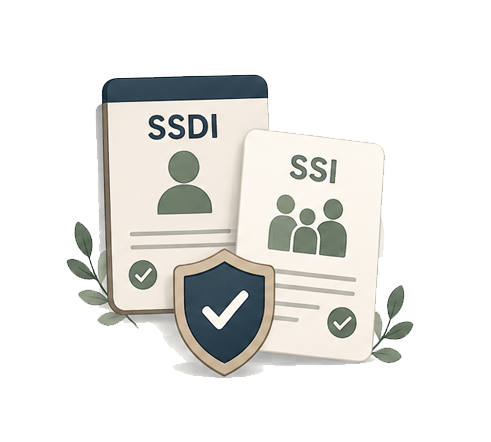
SSDI and SSI
There are two main disability programs, and some people may qualify for one or both. SSDI is generally based on work history and Social Security taxes, while SSI is a needs-based program for people with limited income and resources.
We help you understand which program fits your situation and whether both should be considered.
Help at Every Stage
The disability process has several levels, and we meet you where you are.
We help with initial applications, denials, hearings before an Administrative Law Judge, Appeals Council review, and, when appropriate, federal court litigation.
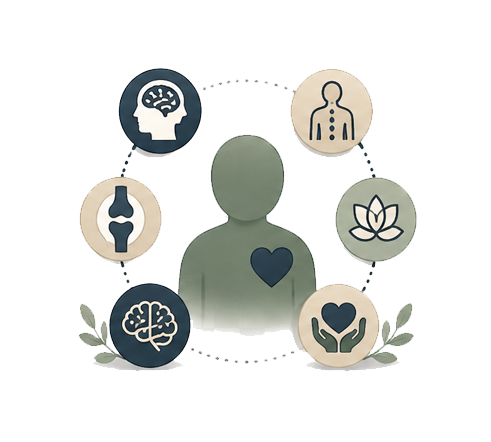
Conditions We Commonly See
We work with many physical and mental health conditions, including chronic pain, fibromyalgia, back problems, neurological conditions, autism, developmental disorders, depression, anxiety, PTSD, and bipolar disorder.
What matters most is not the label. It is how the condition affects your ability to function day after day and work on a reliable basis.
Who We Help
We help adults, children, disabled adult children, widows, and older adults whose cases may involve Social Security disability or SSI issues. The rules can differ a lot depending on the category, so part of our role is helping you understand which path applies to you.
We aim to explain things clearly, stay in touch, and assist at each stage when if we believe we can offer help.

Fees
In most Social Security administrative cases, representative fees are tied to past-due benefits and must be approved by Social Security. The standard fee-agreement structure is generally limited to 25 percent of past-due benefits up to the agency’s cap, while different rules can apply in federal court and in fee-petition situations.
The specific fees that apply to each case will be explained clearly in any fee agreement signed by you and by us so that you know when fees may apply and how they are handled.
Questions About Social Security Disability
SSDI is generally based on work history and Social Security taxes, while SSI is a needs-based program for people with limited income and resources.
Yes. Spector & Lenz handles Social Security disability claims through applications, agency hearings, appeals, and federal court when we believe there is a legal basis to do so.
That does not mean you do not have a case. Rather than a specific diagnosis, the bigger question is how your condition limits your functioning and your ability to work consistently.
Helpful evidence can include treatment records, specialist notes, imaging, lab work, therapy records, and provider opinions that explain practical limits.
Disclaimer
This page is for general information only and does not provide legal advice. Contacting us does not create an attorney-client relationship. We represent clients only after agreeing to take the case and completing the necessary paperwork. We cannot promise results, and we only move forward with applications or appeals when there is a legal basis for further review.